How can General Liability insurance help protect construction businesses?
Whether you work on construction sites, in clients’ homes or around other crews, this type of business insurance coverage could help shield construction business owners from some of the costs of liability claims.
Construction general liability insurance can help shield construction company owners from claims against them for situations like:
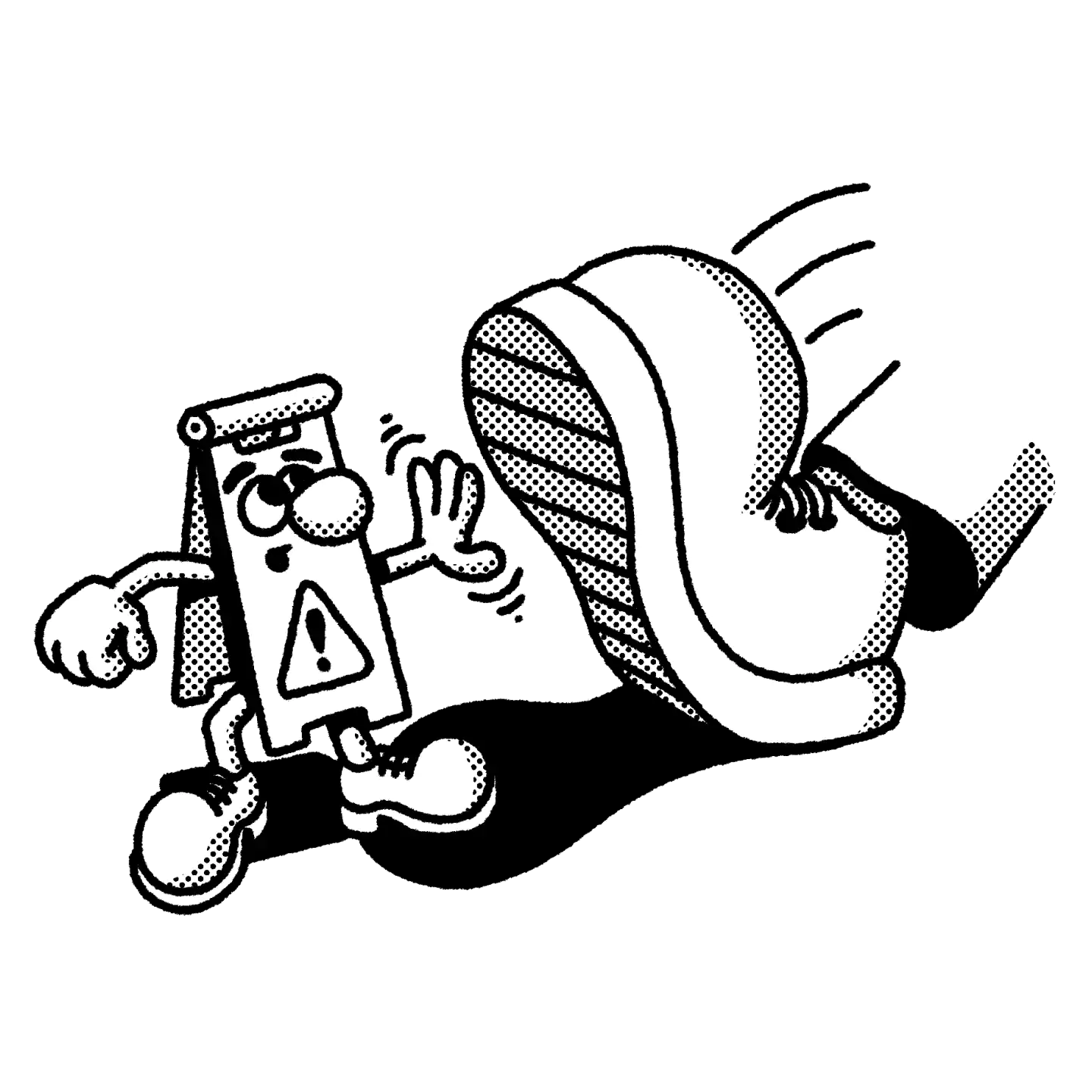
- Injuries and medical bills for non-employees hurt at your job site (like clients, vendors or passersby)
- Damage you or your employees cause to other people’s property
- Accusations of libel or slander
- Advertising-related claims
- Legal fees and defense costs related to covered incidents
What could construction General Liability insurance cover?
General liability insurance coverage for construction businesses can help address many claims that may happen on a job site or at a client’s property, including:
1. Injuries and medical bills for non-employees
If a client, delivery driver or passerby gets hurt at or near your job site — for example, by tripping over materials or being struck by falling debris — a construction general liability insurance policy could help cover their medical expenses.**
General liability coverage typically doesn’t apply to injuries to you or your employees. Workers’ compensation insurance, which is required in most states if you have employees, can help cover job-related injuries and illnesses.
2. Damage you or your employees cause to someone else’s property
If you or your employees accidentally damage a client’s home or belongings while performing your work — such as breaking a window during installation or damaging flooring while moving equipment — general liability coverage could help cover the costs.
3. Libel, slander and advertising injury
If a competitor claims your advertising harmed their reputation, or a client alleges copyright infringement related to photos or promotional content in your ads, your commercial general liability insurance could help cover some of the related legal expenses.
4. Legal defense costs
If your business faces a lawsuit, general liability insurance could help pay for legal defense costs, including attorney fees, court costs and settlements or judgments.
Is General Liability insurance required for construction?
A construction business often needs liability insurance to meet licensing requirements, as well as state, client or contract requirements. Even if it’s not required, many clients request proof of general liability insurance for construction projects before work begins.
Your construction business will probably need general liability insurance to:
- Get or renew your license
- Meet state or county requirements
- Sign client contracts – especially with larger clients or municipalities
- Work as a subcontractor
- Lease commercial space
- Qualify to bid on some projects
How much does General Liability insurance for a construction company cost?
The cost of general liability insurance for a construction company (also known as a premium) depends on several factors, including:
- The type of construction work you perform (general contractor, electrician, plumber, handyman, etc.)
- The size of your business and your number of employees
- Your annual revenue
- The coverage options you choose
- Your policy limits and deductible
- The state where you operate
- How long you’ve been in business
- Your claims history
ERGO NEXT makes it simple to get a quote and buy general construction liability insurance 100% online in about 10 minutes.
To see exactly what your business will pay, start a free general liability insurance quote.
How much General Liability insurance do construction companies need?
The right amount of coverage usually comes down to state rules, contract requirements and the size of the jobs you take on. Many construction businesses carry $1 million per occurrence and $2 million aggregate limits — a common industry benchmark.
Some commercial clients or municipalities may require higher limits or ask to be added as an additional insured through an endorsement before work starts.
Reviewing your contracts and local requirements can help you choose the right coverage and limits for your business.