NEXT is now ERGO NEXT Insurance, uniting digital-first innovation with Munich Re's global financial strength.

Grocery Store Insurance

Save up to 25% on grocery store insurance.*

Choose your primary coverage to get started:

Grocery store insurance can help protect your business from:

Injuries

The costs of injuries and accidents inside your store

Someone slips, trips or gets hurt in your store, and you’re asked to cover their medical bills.**

Inventory

Theft and vandalism costs

Your business has tags, broken windows, a broken door and inventory was stolen. You need help to cover costs — fast.

Property Damage

Damage costs from fire or extreme weather

A fire, hail storm or burst water pipe ruins your inventory, computers and POS systems, furniture, flooring, lighting and the retail space you lease or own.

Lost business income

If you need to close for repairs after a covered event, your business insurance could help cover your financial losses.

Product liability expenses

A product that you make or sell causes harm to a customer’s health or damages their property, and they ask you to cover the costs and take legal action against you.
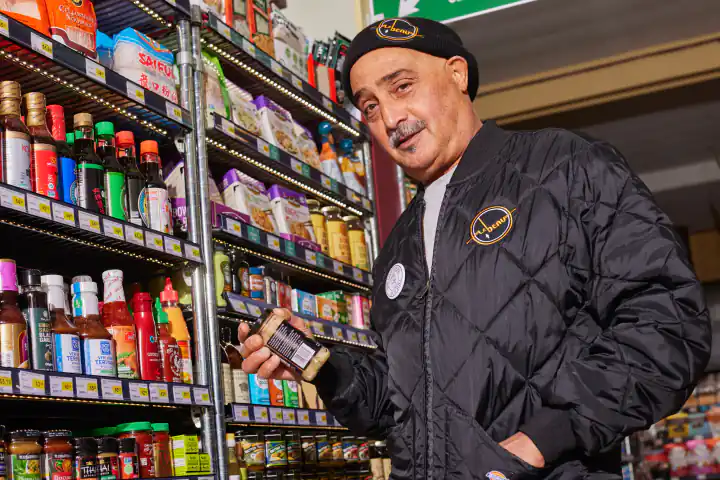
Get grocery store insurance that’s fast, flexible and convenient

ERGO NEXT specializes in small business insurance. Business insurance for grocery stores can help protect you, your business and your employees from the cost of unexpected events.

ERGO NEXT makes it easy to:

  • Check prices, get covered and buy 100% online in about 10 minutes.
  • Manage your policy 24/7 via web or mobile app.
  • Pay monthly or annually and cancel anytime.
  • Get unlimited certificates of insurance (COI) to share proof of insurance at no extra cost.

ERGO NEXT specializes in business insurance for grocery stores

Insurance for grocery stores usually includes several types of policies to help protect you, your business and your employees from different business risks. Your coverage may include:
General Liability insurance for grocery stores

General Liability insurance for grocery stores

Protection for damage to other people's property and injuries to non-employees

General liability insurance can help with financial protection if someone other than an employee is injured at your grocery store, or if you or your employees accidentally cause damage to other people’s property. For example, it may help if a customer slips in an aisle or an employee accidentally damages a customer's car while returning a shopping cart, depending on the policy. General liability can help you pay for: Legal defense costs after a covered claim Damage to someone else's property Medical expenses if someone is injured at your grocery store

general liability can help you pay for:
Medical payments
Property damage
Legal fees and judgments
Workers’ Compensation insurance

Workers’ Compensation insurance

Often required to help protect employees from the costs of work-related illnesses or injuries

Workers' compensation insurance can help pay for medical expenses and lost wages if an employee is injured on the job — and it's often required if you have employees. This can be especially important for grocery stores, where employees may unload deliveries, stock shelves, lift boxes or clean spills. Optional owner's coverage could also help protect business owners. Workers’ comp can help you pay for: Medical expenses and permanent injury Lost wages and job retraining Employer's liability in the event of legal action against you

workers compensation can help you pay for:
Medical expenses
Lost wages
Employer liability
Commercial Property insurance

Commercial Property insurance

Protect your building, inventory, equipment and other business property

Commercial property insurance could help protect the business space you lease or own to run your grocery store. And it can help protect the contents of your shop, including refrigerated inventory, shelving, coolers, POS systems and other business property. It may also help cover equipment breakdowns (an optional add-on) and replace lost income if you have to temporarily close your store for repairs after an event like a fire, burglary or storm damage. Commercial property can help you pay for: Damage from fire and windstorms Broken and damaged property from theft and vandalism Business income interruption if you have to close temporarily

commercial property can help you pay for:

Damaged equipment and inventory
Lost income
Operating expenses
Product Liability insurance

Product Liability insurance

Coverage for grocery stores that make or sell food, beverages and other products

Product liability coverage — included in general liability insurance at ERGO NEXT — could help protect your grocery store from losses if a customer claims that a food item, beverage or other product you make or sold caused a foodborne illness, an allergic reaction or damage to their property. This could help if you sell fresh produce, dairy products, frozen foods or other grocery items, depending on the policy. Product liability can help you pay for: Allergy or foodborne illness claims Claims that your products caused property damage Legal defense costs

product liability can help you pay for:

Medical payments
Property damage
Legal fees and judgments

Save up to 25% on grocery store insurance

Pay monthly or annually, and you can cancel at any time.
Basic
Lowest Price
Commercial Auto
Combined single limit
$85,000
General Liability
Per occurrence
$500,000
Workers’ Comp
Per accident
$100,000
Commercial Property
Per occurrence
$25,000
Pro
Most Popular
Commercial Auto
Combined single limit
$100,000
General Liability
Per occurrence
$1 million
Workers’ Comp
Per accident
$500,000
Commercial Property
Per occurrence
$25,000
Pro Plus
Best Coverage
Commercial Auto
Combined single limit
$100,000
General Liability
Per occurrence
$1 million
Workers’ Comp
Per accident
$1 million
Commercial Property
Per occurrence
$25,000
How much does business insurance cost

How much does grocery store insurance cost?

Business insurance for grocery stores can be more affordable than you might think. The cost depends on several factors, including:

  • The size and type of your grocery store.
  • The products you sell, such as fresh produce, packaged foods, frozen foods or beverages.
  • Your business location.
  • Your number of employees.
  • Your annual revenue.
  • The coverage limits and deductible you choose.
  • Your insurance claims history.

The best way to find out what you’ll pay for grocery store insurance is to get a quote. In about 10 minutes, you can see the cost of customized coverage for your business.