1. Customer slips, trips and falls in temporary workspaces
Summer often means working in venues that aren’t designed for your business. Food trucks might serve in unfamiliar lots. Farmers market vendors set up on grass, gravel or uneven pavement. Mobile service providers might work in customers’ driveways and backyards. And contractors and cleaners are always on the move between job sites — and often more in demand during dry weather and holiday schedules. Every new location comes with hazards that are easy to overlook or workaround when you’re focused on working and serving customers.
Picture this: You’re setting up your food booth for a community festival. Customers start arriving while you’re still laying out extension cords and moving equipment. Someone trips at your booth and suffers an injury that requires medical care — then asks you to cover their medical bills.** It’s the kind of thing that can happen in a matter of seconds.
How could this have been prevented? During setup, take a few minutes to:
- Secure or cover extension cords and hoses that cross walkways.
- Check that all signs and displays are secured.
- Keep tools, equipment and boxes out of the way.
- Mark any uneven ground or trip hazards with cones or signs.
If someone is injured and your business is found responsible, general liability insurance could help cover third-party medical expenses, legal defense costs and even settlements. This is a big reason why many event organizers require (and business owners choose to carry) this type of coverage.
2. Hot weather can increase mistakes — and accidents
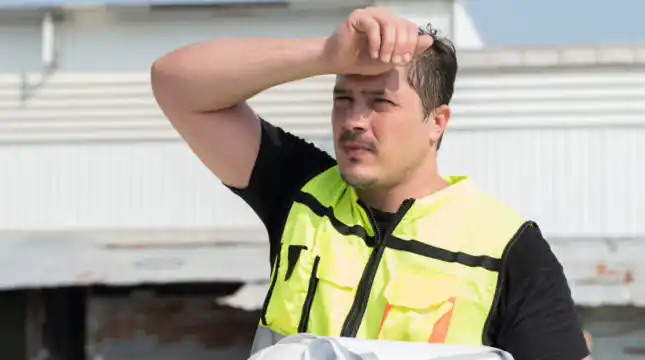
Extreme heat doesn’t just make outdoor work harder. According to the CDC, heat stress can cause physical responses (headaches, dizziness), confusion and impaired judgment, making mistakes and accidents more likely. That matters even more this summer, as record-breaking temperatures and rising heat across parts of the U.S. are putting outdoor workers under added strain.
Think about how that can play out on a busy workday. A contractor rushes to finish while carrying materials and accidentally damages a customer’s property. Or a catering employee spills hot liquid on a guest or someone else’s property after working through a long afternoon.
A few summer workplace safety adjustments may help reduce some risks:
- Knock out the most strenuous jobs early in the day when temperatures are somewhat lower.
- Set mandatory breaks for water and cooldown time, especially on longer jobs.
- Rotate assignments so one person isn’t stuck in the sun all day.
If a heat-related mistake leads to someone else’s injury or property damage, general liability insurance may help. But if an employee becomes ill or injured, workers’ compensation insurance could help with covered work-related injuries or illnesses.
3. Rushed training can lead to costly mistakes
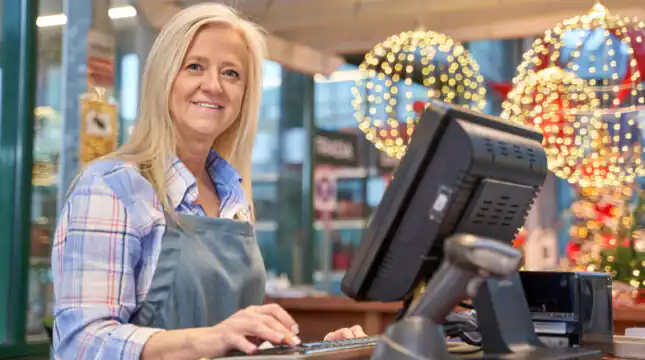
The National Restaurant Association projects restaurants alone will add about 450,000 seasonal jobs this summer, and contractors, retailers, event vendors and landscapers also tend to bring on extra summer help.
When business picks up, it’s tempting to get new hires working right away. But the reality is that most small business owners need help ASAP and they might not leave enough time to fully train their seasonal staff.
A seasonal worker could be more likely to damage a customer’s property or miss a safety step — not from carelessness, but from rushed training or unclear expectations.
Before new hires work on their own, take time to:
- Review safety procedures and expectations.
- Provide them with a reference document or training checklist.
- Pair them with experienced staff before they work alone.
- Encourage questions no matter how small they may seem.
If a new employee makes a mistake on the job, it can lead to delays, unhappy customers or unexpected costs. More time upfront to train and support new hires can go a long way to help prevent liabilities and keep your busy season running smoothly.
4. Property damage at customers’ homes or job sites
In summer months when families are traveling more, they often want repair work or cleaning projects done while they’re away. But anytime you work on someone else’s property it comes with risk, and small mistakes can get expensive fast.
Property damage doesn’t just mean damage to a building or land — it can also include a customer’s belongings, like furniture or personal items that your business accidentally damages.
For instance, a landscaper might break an underground sprinkler line. Or a housecleaner could stain a surface with the wrong cleaner or knock over an expensive vase while moving through a customer’s home or office.
Before you start any job:
- Do a quick walk-through of the property to look for hazards.
- Snap a few photos of anything that’s already damaged.
- Ask the customer if there’s anything fragile you should know about.
- If something does go wrong, mention it to your client as soon as possible to show that you’re credible and responsible.
If your business accidentally damages someone else’s property, general liability insurance could help with repair or replacement costs.
5. More driving can mean more opportunities for accidents
Summer roads get crowded fast. AAA projects 61.4 million Americans travel by car over the Fourth of July holiday alone. Summer often means spending time behind the wheel driving in new places, whether you’re driving to customers’ homes, hauling equipment between job sites or setting up at craft fair.
It only takes a moment of distraction to back into another vendor’s trailer or clip a customer’s fence.
A few habits worth building:
- Give yourself extra time to get to each job or event.
- Walk unfamiliar parking or loading areas before backing up.
- Use a spotter when maneuvering in tight spaces.
- Stay alert for pedestrians, cyclists and other drivers, especially in crowded event areas or unfamiliar neighborhoods.
If your business vehicle is involved in an accident, commercial auto insurance could help cover some damages and injuries you may cause. Even if you’re driving a personal vehicle, personal auto coverage may not cover work-related accidents.
6. Don’t let a packed schedule lead to shortcuts
When business is booming, it’s tempting to say yes to one more job or squeeze in one last appointment before the day ends — especially when days are longer.
The problem is that rushing or cramming in a lot of work can turn small oversights into expensive mistakes. You might skip a property walk-through, forget to secure equipment or sideswipe signage as you’re making a tight turn. Rushing around can increase the risk of injuries, property damage or unhappy customers.
As your schedule fills up, try to protect a little breathing room:
- Build in extra travel time into your day.
- Pad the space between appointments when you can.
- Hire more help as needed.
- Pause before packing up and double-check your work area.
- Make sure tools, cords or materials aren’t left behind where someone could get hurt.
- Take a moment to document the job before you leave.
- If you’re running behind, let customers know instead of rushing.
Summer is meant to be your busiest season — not your most stressful. Leaving yourself a little breathing room can help you protect your customers, your reputation and your business.
Quick guide: The biggest summer liability risks for small business owners
The biggest summer liability risks usually come down to these six things:
| Why your business risk increases in summer | Quick prevention tip |
|---|
- Accidents and injuries
| Jobs and events in unfamiliar and temporary workspaces | Inspect every site before customers arrive |
- Hot weather
| Fatigue and dehydration can affect judgment | Schedule mandatory breaks |
- Seasonal hiring
| Less training time for summer hires | Use onboarding checklists |
- Property damage
| More work in unfamiliar venues | Document existing property conditions before you start |
- Vehicle accidents
| More driving unfamiliar locations | Allow for extra travel time |
- Overscheduling
| Rushing between jobs can cause mistakes | Leave buffer time and hire more staff |